


Course: Global Cardio-Oncology Certification Training
In partnership with the Global Cancer Consortium

Course: Global Cardio-Oncology Certification Training
In partnership with the Global Cancer Consortium
This program is designed for both individual and institutional use.
Institutions may utilize the program with fellows or trainees.
Cancer and cardiovascular disease (CVD) are interlinked through common risk factors, co-occurrence in an aging population, and the deleterious effects of cancer treatment on cardiovascular (CV) health.
The relationship between cancer and CVD is bidirectional. Well-known risk factors for CVD, such as tobacco, obesity, physical inactivity, poor nutrition, diabetes, alcohol, hypertension, and hyperlipidemia, are also risk factors for many cancers.
Cancer treatment has been associated with a wide spectrum of short- and long-term cardiotoxic effects, with cardiomyopathy resulting from anthracyclines as a classic example. An explosion of novel cancer therapies has revolutionized the field and dramatically altered cancer prognosis.
Read More
However, these therapies have introduced unexpected CV complications beyond cardiomyopathy. Ironically, increases in CV morbidity and mortality now threaten to offset the advances in cancer-related survival. Moreover, the epidemiological impact of cancer therapy-related cardiotoxicity is growing, and the number of cancer survivors and aging patients with various CV comorbidities at risk for cancer is increasing.
Oncologists are thus increasingly collaborating with CV specialists to risk-stratify and to address myriad comorbidities and the adverse effects of novel cancer therapeutics, the mechanisms of which are often poorly understood. CV specialists need to have a thorough understanding of the complex pathophysiology that links cancer and CVD and the mechanisms of novel chemotherapeutic agents. Familiarity with the modalities to risk-stratify and detect early CV effects of cancer treatment is among the skills required for optimal care of the cancer patient. With growing recognition of the importance and complexity of the relationship among cancer, its treatment, and CVD, CV professionals need exposure to the field of cancer therapeutics and its effect on CV health.
Cardio-oncology (or onco-cardiology) has emerged as a field of expertise that aims to usher patients safely through cancer therapy and into survivorship while tempering CVD and minimizing risks of cancer therapy, as competing causes of morbidity and mortality. It has become increasingly clear that the involvement of a cardio-oncologist enables the cancer treatment team to provide the most effective cancer therapies while minimizing CV toxicity and improving the health of long-term survivors of cancer. With growing clinical demand, there will be an increasing number of cardio- oncology training programs, located mainly at tertiary/quaternary referral centers.
Program Co-Directors
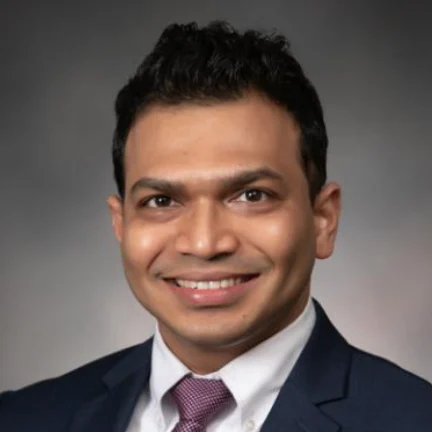
Amit Arbune, MD, MHA, FACC
Assistant Professor
UT Southestern
Medical Center
Dallas, Texas, USA
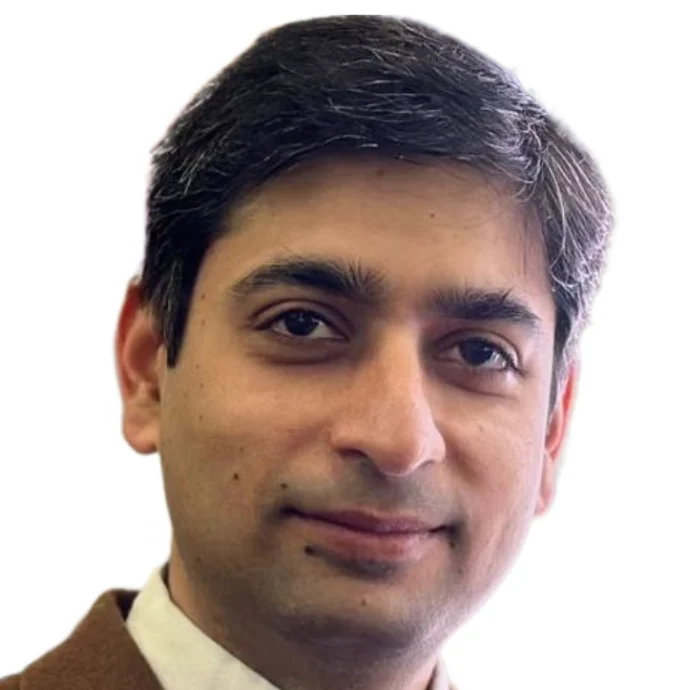
Sarju Ganatra, MD, FACC
Cardio-Oncology Program at Lahey Hospital and Medical Center
Beth Israel Lahey Health
Burlington, Massachusetts, USA
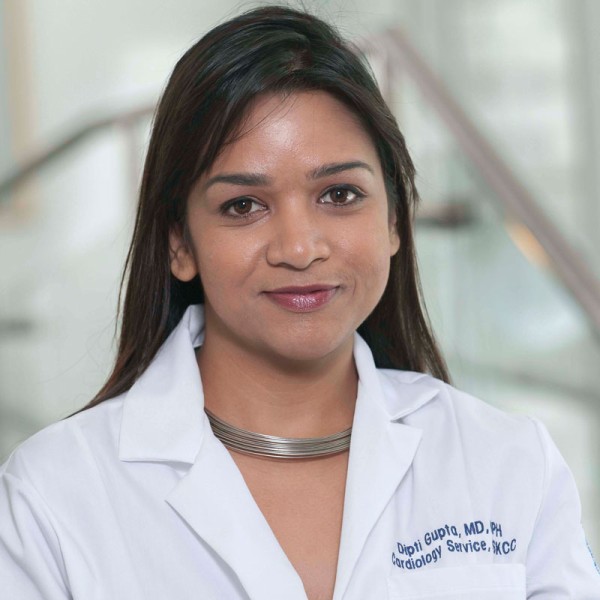
Dipti Gupta, MD, MPH
Cardio-Oncology Clinical Research Fellowship Program Director
Memorial Sloan Kettering
Cancer Center (MSKCC),
New York City, New York, USA
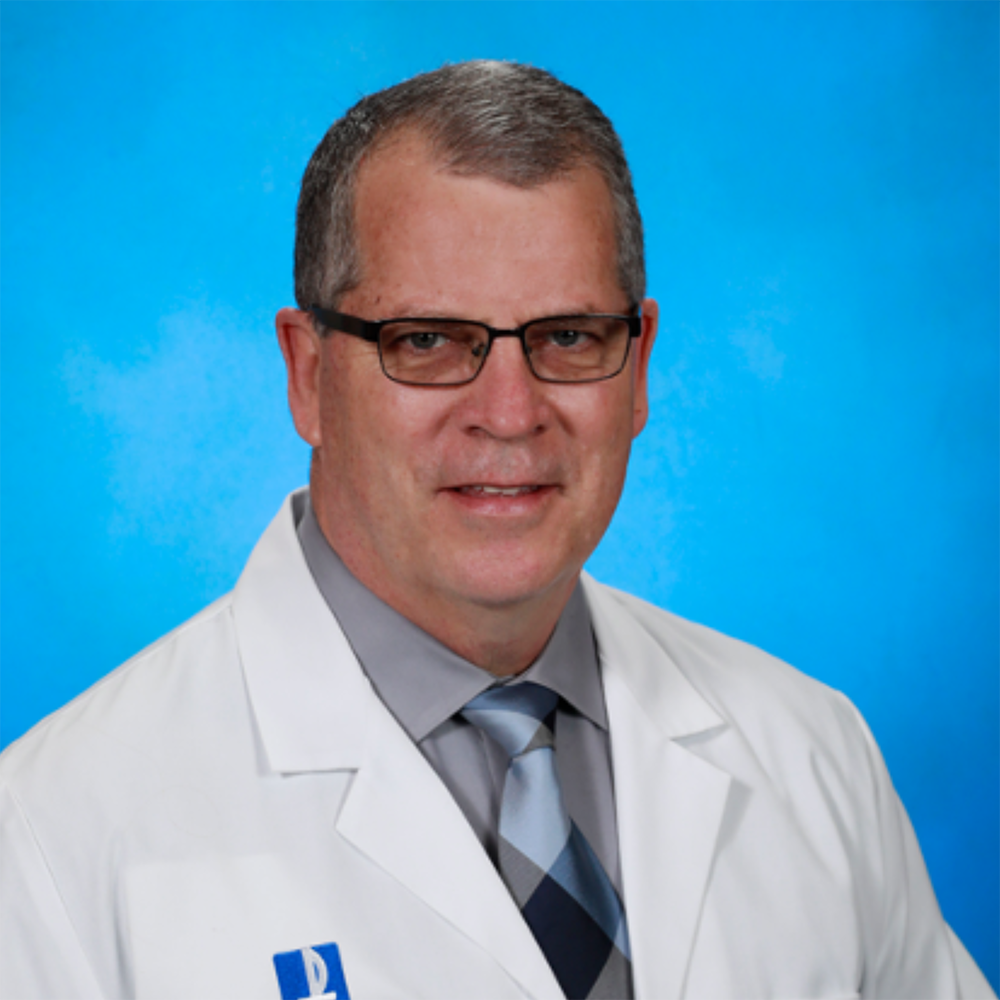
Daniel Lenihan, MD, FACC
Founder and Past President – International Cardio-Oncology Society (IC-OS)
Cape Girardeau,
Missouri, USA
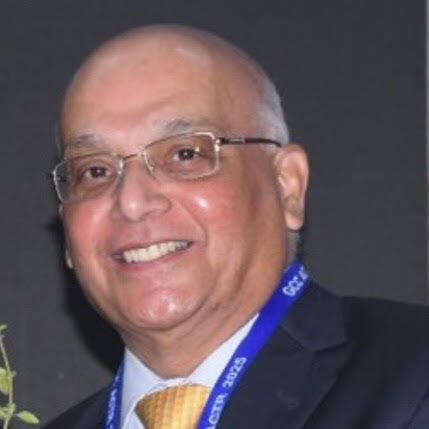
Vivek M. Rangnekar, MD
Professor and Alfred Cohen Endowed Chair
Founding Chair, Global Cancer Consortium
Associate Director, Markey Cancer Center
University of Kentucky
Lexington, Kentucky, USA