


Breast Cancer
Breast cancer and cardio-oncology: protection for your heart health during and after your cancer treatment.
Overview
Breast cancer treatments have advanced to improve life expectancy and quality of life. Sometimes, these life-saving remedies may lead to heart problems during and after treatments.
Heart problems in cancer patients, referred to as cardiotoxicity, can be proactively managed with screening and treatment. Cardio-Oncology is an integrative medical specialization that seeks to protect the heart during and after your life-saving cancer treatment.
Patient Handouts
Overview
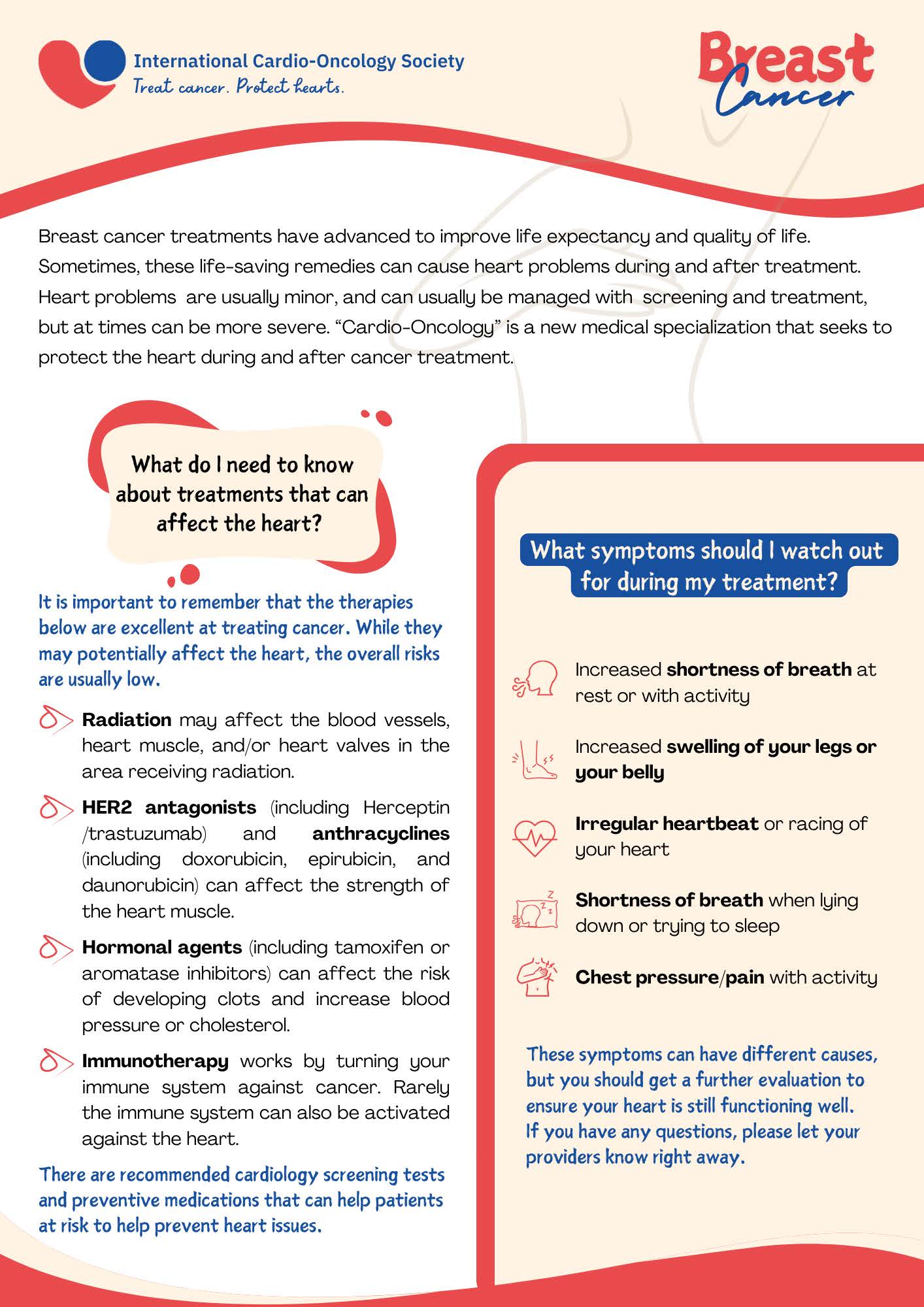
Resumen
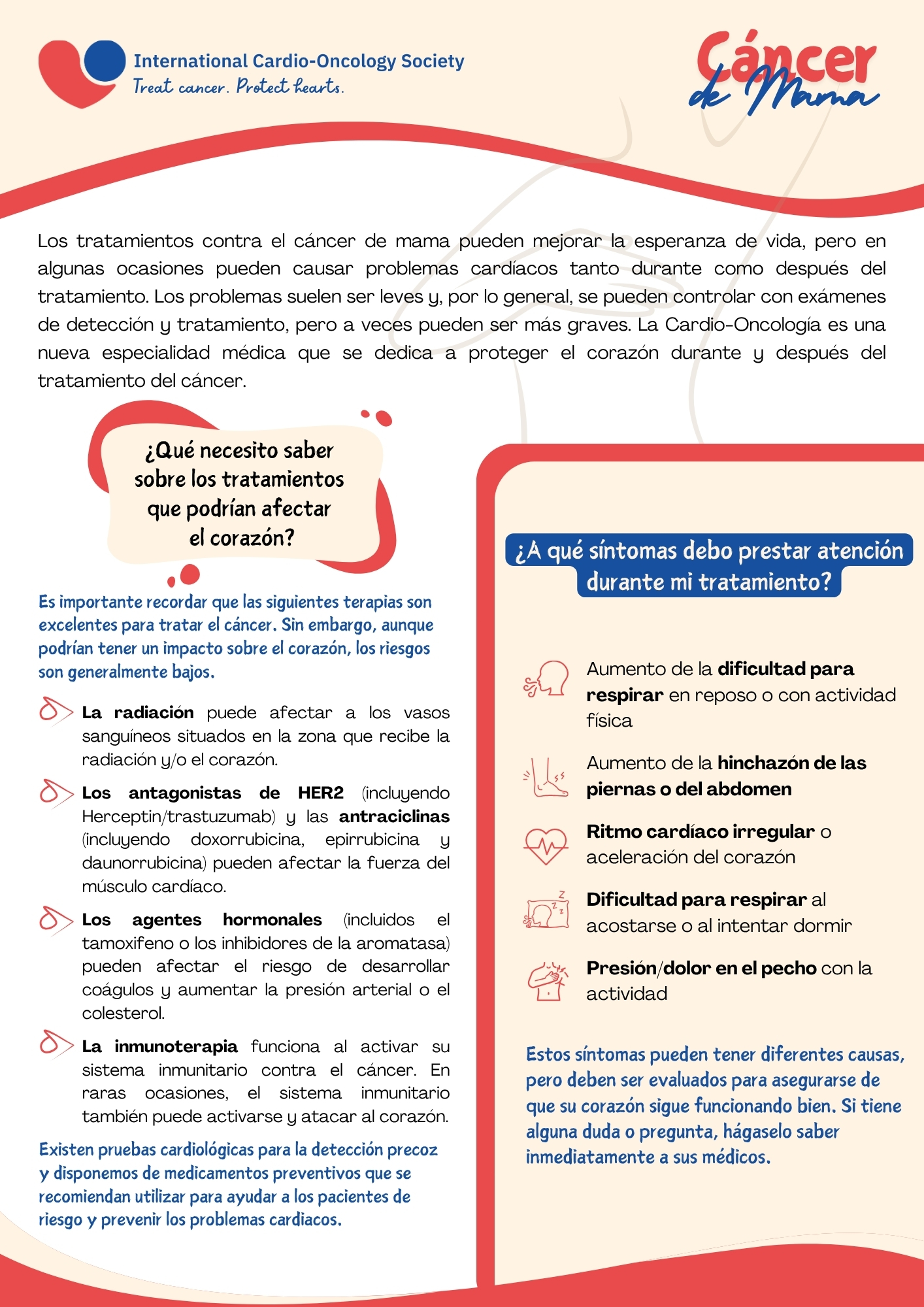
Anthracyclines
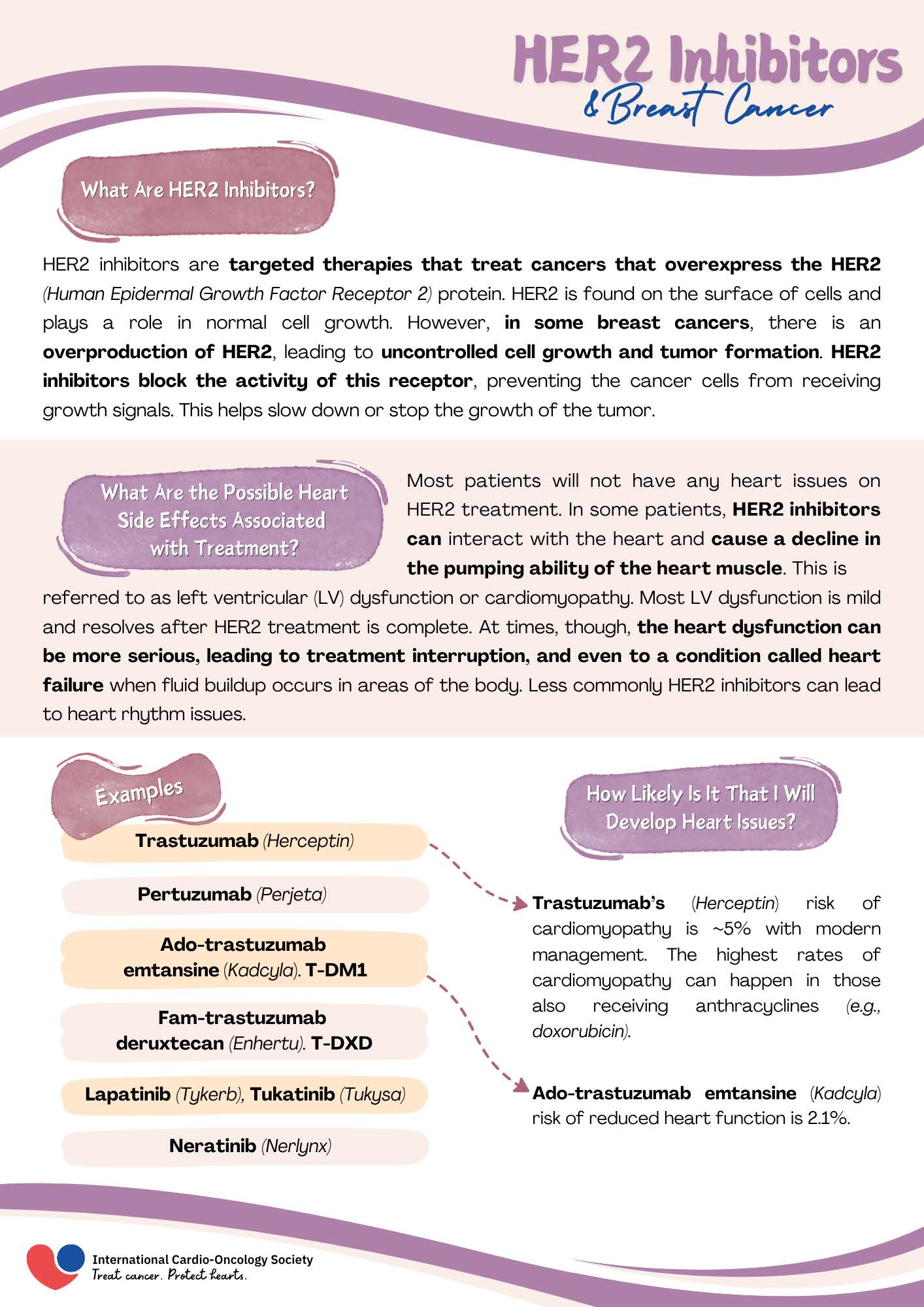
HER2
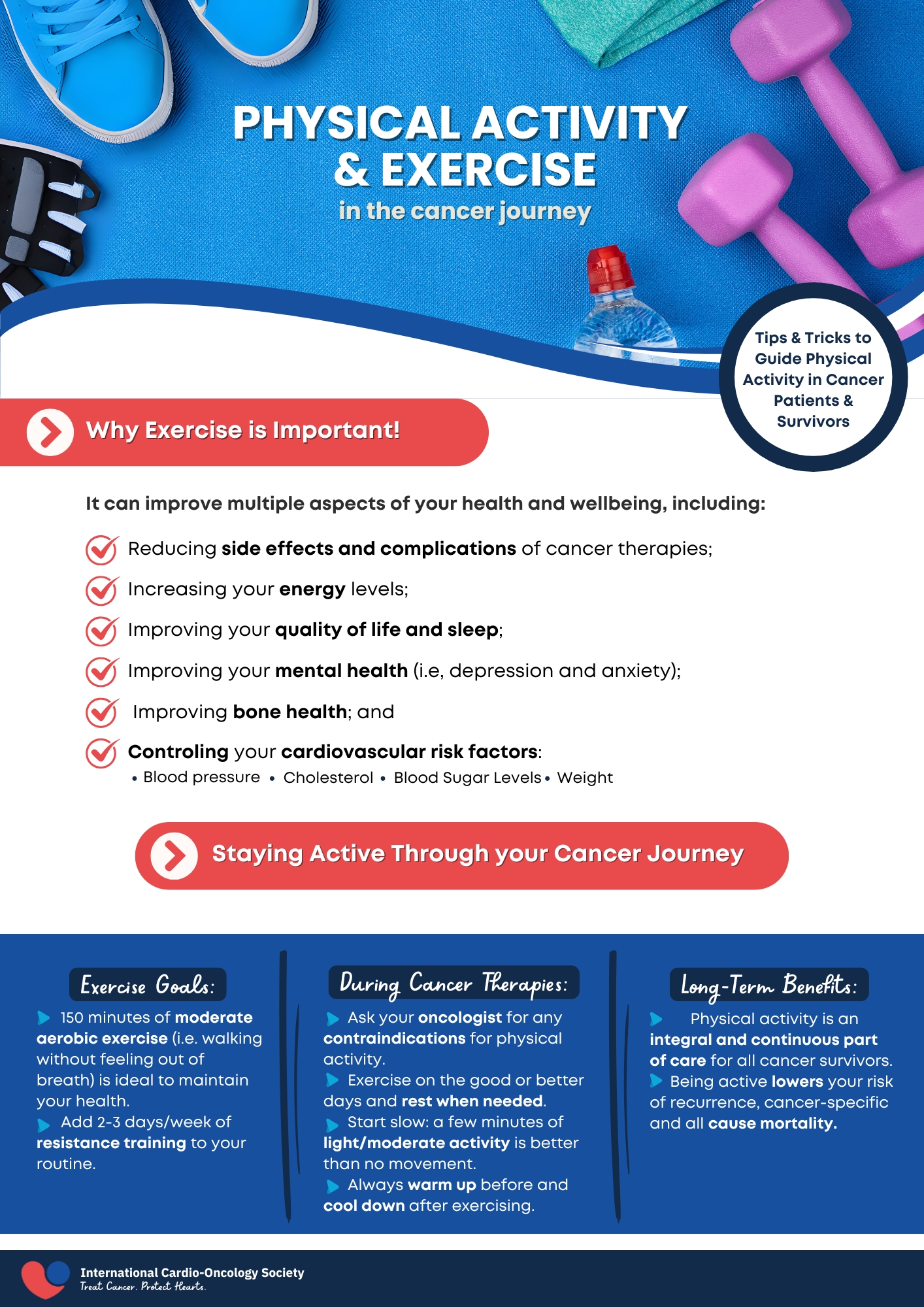
Exercise
Heart Effects
It is important to remember that the therapies below are excellent at treating cancer. While they may potentially affect the heart, the overall risks are usually low.
- Radiation may affect the blood vessels, heart muscle, and/or heart valves in the area receiving radiation.
- HER2 antagonists (including Herceptin /trastuzumab) and anthracyclines (including doxorubicin, epirubicin, and daunorubicin) can affect the strength of the heart muscle.
- Hormonal agents (including tamoxifen or aromatase inhibitors) can affect the risk of developing clots and increase blood pressure or cholesterol.
- Immunotherapy works by turning your immune system against cancer. Rarely the immune system can also be activated against the heart.
Frequently Asked Questions About Breast Cancer Treatment
What Symptoms Should I Watch Out For During My Treatment?





What Do I Need To Do If I Already Have Heart Issues?
How Do Surveillance Testing And Monitoring Work?
How Will Symptoms Affect My Cancer Treatment?
How Can I Help Myself?




Find a Provider
One of our certified cardio-oncologists will help you understand your options.
See All Providers

Find a Practice
Find an experienced practice to help you with your journey.
See All Centers of Excellence

Patient Resources
Find resources specific to your country.
Go to Resources